
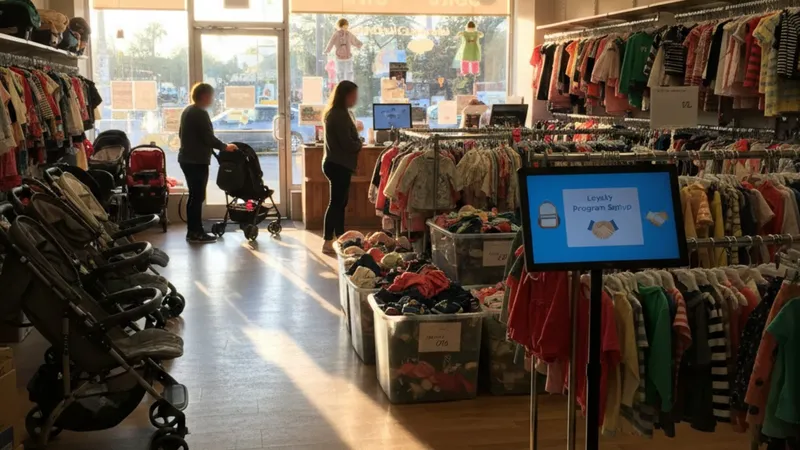
Walk into any retail store and you’ll see signage everywhere.
Most of it gets ignored.
That’s because placement matters just as much as the message itself. A promotion at the entrance hits different than the same promotion at checkout. Timing matters. Context matters.
Here’s a simple framework that fixes this: 5 Zones.
Each zone answers two questions at once—what you want to say and what your customer wants to know. When those align, people pay attention.
Zone 1: The Entrance
Your goal: Capture attention. Customer’s question: “Do you have what I need?”
This is your handshake. You have about 3 seconds before someone’s eyes glaze over and they go into “shopping autopilot.”
Use this zone for:
- Today’s best deal (one thing, not five)
- Clear wayfinding (“Electronics →”)
- Seasonal or time-sensitive hooks
Don’t: Overload with multiple promotions. One strong message beats three weak ones.
Zone 2: Browsing Areas
Your goal: Help them explore. Customer’s question: “What are my options?”
Now they’re in discovery mode. They’re curious but uncommitted. This is where you guide, not push.
Use this zone for:
- Category highlights (“Staff Picks”)
- Comparison info (specs, materials, sizes)
- Lifestyle content that helps them imagine ownership
Don’t: Hard-sell here. They’re still making up their minds.
Zone 3: Feature Displays
Your goal: Spotlight priority products. Customer’s question: “What’s special right now?”
This is your premium real estate. High-margin items, new arrivals, limited-time offers—whatever deserves extra attention.
Use this zone for:
- Hero product showcases
- Bundle deals
- Scarcity messaging (“Only 12 left”)
Don’t: Put low-margin filler here. This zone should earn its keep.
Zone 4: Checkout & Waiting Areas
Your goal: Build loyalty. Customer’s question: “Did I choose well? What’s next?”
They’ve decided to buy. The sale is (almost) done. Now you’re planting seeds for the next visit.
Use this zone for:
- Loyalty program sign-ups
- Upcoming events or sales
- Social proof (“Join 10,000+ members”)
- Add-on suggestions (done tastefully)
Don’t: Create buyer’s remorse. Keep it positive and forward-looking.
Zone 5: Staff Areas
Your goal: Keep the team aligned. Staff’s question: “What should I emphasize today?”
This one’s internal, but it’s critical. Your staff can’t sell what they don’t know about. A break room display costs almost nothing and keeps messaging consistent across shifts.
Use this zone for:
- Daily priorities and promotions
- Product knowledge refreshers
- Performance updates
- Company announcements
Don’t: Neglect this. Misaligned staff undercuts every other zone.
Why This Works
Here’s the insight behind the framework: successful stores tell two stories at once.
They advance their business goals (more sales, higher margins, repeat visits) while genuinely helping customers (saving time, finding the right product, feeling confident).
Most signage only tells one story—yours. It shouts “BUY THIS” and wonders why customers tune out.
The 5-Zone approach forces alignment. Every message has to answer both questions: what do we want to say, and what do they want to know right now?
When those match, signage works. When they don’t, it’s expensive wallpaper.
The Numbers Behind Multi-Zone Messaging
This isn’t theory. The data backs it up:
- 32% average sales increase for retailers using digital signage (AIScreen)
- 400% more views than static displays (Intel/JordanFeil)
- 83% recall rate vs. ~40% for print (Nielsen/OAAA)
- 35% reduction in perceived wait time at checkout (Lavi Industries)
But here’s what most stats don’t tell you: placement matters as much as the message itself.
A generic promotion at the entrance performs completely differently than the same promotion at checkout. The 5-Zone framework ensures you’re matching the right message to the right moment—which is where those conversion numbers actually come from.
Getting Started
You don’t need to overhaul your entire store tomorrow.
Pick one zone that’s underperforming and test this framework there. Most retailers start with Zone 1 (entrance) or Zone 4 (checkout) because those are easiest to measure.
Here’s a simple test:
- Set up a display in one zone
- Run a targeted message for two weeks
- Track the results (foot traffic, sales, sign-ups)
- Compare to your baseline
Once you see lift in one zone, expand to the next.
Why BrandCast for Multi-Zone?
Managing five zones with five different messages across multiple locations gets complicated fast. That’s where most signage projects stall.
BrandCast solves this with:
- One dashboard for all zones, all locations
- Real-time updates — change a promotion and see it live in seconds, not minutes
- Zone-based scheduling — different content for entrance vs. checkout, automatically
- No expensive hardware — use tablets, TVs, or devices you already have
The result: You can actually test and iterate on your zone strategy without drowning in manual updates.
Want the Full Framework?
We’ve put together a detailed breakdown of this strategy with specific messaging examples for each zone: In-Store Messaging Strategy: The 5-Zone Framework.
It covers the dual-question methodology in depth—how to craft messages that answer both your business goals and your customer’s immediate needs at every touchpoint.
Related reading: Digital menu boards for restaurants | Employee communication displays